
Every child deserves the opportunity to grow, smile, speak, and eat comfortably. However, some babies are born with a condition called cleft lip or cleft palate, which affects the formation of the upper lip or roof of the mouth. These conditions can influence feeding, speech development, hearing, dental growth, and facial appearance.
Although a cleft may create challenges during childhood, modern medical and surgical treatments offer effective ways to manage the condition. With timely diagnosis, appropriate surgery, and continued support from specialists, children with cleft lip and palate can achieve significant improvements in their daily lives.
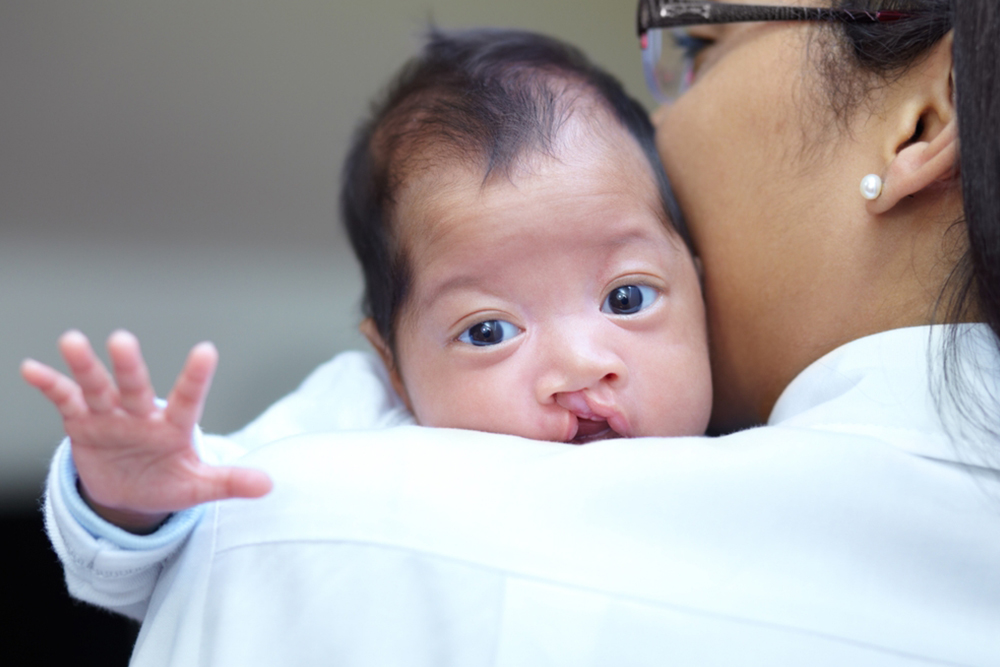
Understanding the causes, symptoms, and available treatment options can help parents make informed decisions about their child's care.
WHAT ARE CLEFT LIP AND CLEFT PALATE?
Cleft lip and cleft palate are birth conditions that occur when certain facial structures do not join completely during early pregnancy.
A cleft lip is an opening or separation in the upper lip. It may appear as a small gap or extend towards the nose. It can affect one side or both sides of the upper lip.
A cleft palate is an opening in the roof of the mouth. It develops when the tissues forming the palate do not join completely. This opening may affect the front portion, the back portion, or both parts of the roof of the mouth.
Some babies have only a cleft lip, while others have only a cleft palate. In certain cases, both conditions occur together.
WHAT CAUSES CLEFT LIP AND CLEFT PALATE?
The exact cause of cleft lip and palate is not always known. These conditions develop during the early stages of pregnancy, when the facial structures are forming.
Both genetic and environmental factors may contribute to their development. A family history of cleft conditions can increase the likelihood, although many affected babies are born into families without any previous history.
Certain pregnancy-related factors may also influence the risk. These include smoking during pregnancy, poorly controlled diabetes, and exposure to certain medications.
It is important for parents to understand that having a child with a cleft is not their fault. These conditions can develop due to a combination of factors that are often beyond parental control.
COMMON SIGNS AND SYMPTOMS
The signs of cleft lip and palate vary depending on the type and extent of the opening.
A cleft lip is generally visible at birth. A cleft palate may be less obvious, particularly when the opening is small or located towards the back of the mouth.
Some common signs and associated difficulties include:
- A visible opening or separation in the upper lip.
- An opening in the roof of the mouth.
- Difficulty sucking or feeding during infancy.
- Milk coming out through the nose while feeding.
- Speech difficulties as the child grows.
- Frequent middle ear infections or hearing problems.
- Dental abnormalities or missing teeth near the cleft area.
Early medical evaluation helps identify these concerns and allows the treatment team to plan appropriate care.
HOW DO CLEFT CONDITIONS AFFECT A CHILD'S DEVELOPMENT?
Cleft lip and palate can affect several aspects of a child's development, particularly when the palate is involved.
Babies with a cleft palate may find it difficult to create the suction needed for breastfeeding or bottle feeding. Special feeding bottles and techniques may help ensure adequate nutrition.
As children begin speaking, an opening in the palate can affect the way air moves through the mouth and nose. This may result in unclear speech or a nasal-sounding voice.
Some children also experience repeated ear infections because the muscles responsible for opening the Eustachian tubes may not function normally. These tubes help maintain pressure and drain fluid from the middle ear.
Dental development may also be affected, particularly when the cleft involves the upper gum. Teeth near the affected area may grow in unusual positions or may be missing.
TREATMENT OPTIONS FOR CLEFT LIP AND CLEFT PALATE
Treatment usually involves a planned series of procedures and regular assessments as the child grows. The exact approach depends on the child's age, overall health, type of cleft, and associated difficulties.
Cleft Lip Surgery
Cleft lip repair, also known as cheiloplasty, is a surgical procedure performed to close the opening in the upper lip.
During surgery, the surgeon carefully brings the separated tissues together and reconstructs the lip muscles. The aim is to create a more natural lip shape, improve muscle function, and achieve better facial balance.
Cleft lip repair is commonly performed during infancy, often around three to six months of age, depending on the baby's health and surgical assessment.
Cleft Palate Surgery
Cleft palate repair, known as palatoplasty, involves closing the opening in the roof of the mouth.
The surgeon repositions the tissues and muscles of the palate to create separation between the mouth and nasal cavity. This helps improve feeding and provides better support for normal speech development.
Surgery is commonly planned during the first year or early part of the second year of life, although timing varies according to the child's needs and the treatment team's recommendations.
Speech Therapy
Surgery alone may not resolve every speech difficulty. Some children continue to have problems with pronunciation, clarity, or the movement of air during speech.
A speech-language therapist evaluates these difficulties and provides exercises to improve communication skills. Regular therapy can help children develop clearer speech as they grow.
Dental and Orthodontic Treatment
Children with cleft conditions may require specialised dental care because teeth near the affected area can develop irregularly.
Orthodontic treatment uses braces or other dental appliances to correct tooth alignment and improve the bite. Some children may also require bone grafting in the upper jaw to support permanent teeth and improve the structure of the gum area.
Dental treatment is usually planned according to the child's stage of growth.
Ear and Hearing Care
Children with cleft palate may be more likely to develop middle ear fluid and repeated infections. Regular hearing assessments help identify these problems early.
In some cases, an ENT specialist may recommend small ventilation tubes, also called grommets, to help drain fluid from the middle ear and reduce hearing-related difficulties.
AT WHAT AGE SHOULD CLEFT SURGERY BE PERFORMED?
The timing of surgery depends on the type of cleft, the child's growth, nutritional condition, and general health.
Cleft lip repair is often considered between three and six months of age, while palate repair is commonly planned between nine and eighteen months. These are general treatment windows rather than fixed rules.
Additional procedures may be recommended later during childhood or adolescence to improve speech, dental alignment, jaw development, or facial appearance.
Parents should follow an individual treatment plan prepared by the specialists involved in their child's care.
RECOVERY AND CARE AFTER SURGERY
Recovery requires patience and careful attention to the surgeon's instructions. Some swelling, discomfort, and temporary changes in feeding may occur after surgery.
Parents may be advised to provide soft foods or liquids for a specific period, depending on the procedure. Keeping the surgical area clean and preventing accidental injury are also important.
Regular follow-up visits help doctors monitor healing, facial development, speech, hearing, and dental health. Long-term care is an important part of achieving the best possible functional and developmental outcomes.
IMPORTANCE OF A MULTIDISCIPLINARY TREATMENT TEAM
Cleft lip and palate treatment involves more than a single surgical procedure. Children often benefit from coordinated care involving plastic surgeons, oral and maxillofacial surgeons, paediatric specialists, ENT doctors, speech therapists, orthodontists, and dental professionals.
Families looking for Cleft Palate Specialists in Hyderabad should consider a treatment team that can assess the child's overall development and provide guidance throughout different stages of growth.
An experienced surgeon can evaluate the condition and discuss suitable options, including Cleft Lip Surgery Srinagar colony, based on the child's individual requirements.
Similarly, ENT Surgeons in Hyderabad play an important role in monitoring hearing and managing middle ear problems associated with cleft palate.
The involvement of Maxillofacial Surgeons in Srinagar colony, Hyderabad can also be valuable when treatment requires correction of jaw development, dental structures, or associated facial abnormalities.
GIVE YOUR CHILD THE RIGHT START WITH TIMELY TREATMENT AT SUMUKHA HOSPITALS
Cleft lip and cleft palate are treatable conditions that require early evaluation, appropriate surgical planning, and continued support during childhood. With the right medical guidance, children can make meaningful progress in feeding, speech, dental development, and facial appearance.
At Sumukha Hospitals, patients and families can seek professional guidance and evaluation for cleft-related conditions and available treatment options.
Schedule a consultation today to discuss your child's needs and take the first step towards a healthier smile and a more confident future.
Frequently Asked Questions (FAQs)
1. Can cleft lip and cleft palate be detected before birth?
Yes. Many cases can be identified during routine pregnancy ultrasound scans, particularly cleft lip. Some cleft palate conditions may be difficult to detect before birth.
2. Is cleft lip and palate surgery safe for babies?
These procedures are commonly performed during infancy. However, the timing and suitability of surgery depend on the baby's health, weight, and individual medical assessment.
3. Will a child with cleft palate be able to speak normally?
Many children develop clearer speech after treatment. Some may require additional procedures or speech therapy to address ongoing communication difficulties.
4. Can cleft lip and palate occur together?
Yes. Some babies are born with both conditions, while others have only a cleft lip or only a cleft palate.
5. Does cleft lip or palate require more than one surgery?
Some children need additional procedures as they grow. These may address speech problems, dental development, jaw alignment, or facial appearance, depending on individual needs.