
Facial bones play an important role in protecting vital structures, supporting the eyes, maintaining facial shape, and helping us perform everyday activities such as chewing, speaking, and breathing. However, accidents, falls, sports injuries, and physical trauma can cause these bones to break or become displaced. Such injuries are known as facial bone fractures.
Depending on the location and severity, facial fractures can affect facial appearance, jaw movement, dental alignment, and even vision. While some fractures heal with medication and observation, others require specialised surgical treatment to restore normal bone position and facial function.
Understanding the different types of facial fractures, their symptoms, and available treatment options can help patients seek timely medical attention and avoid complications.
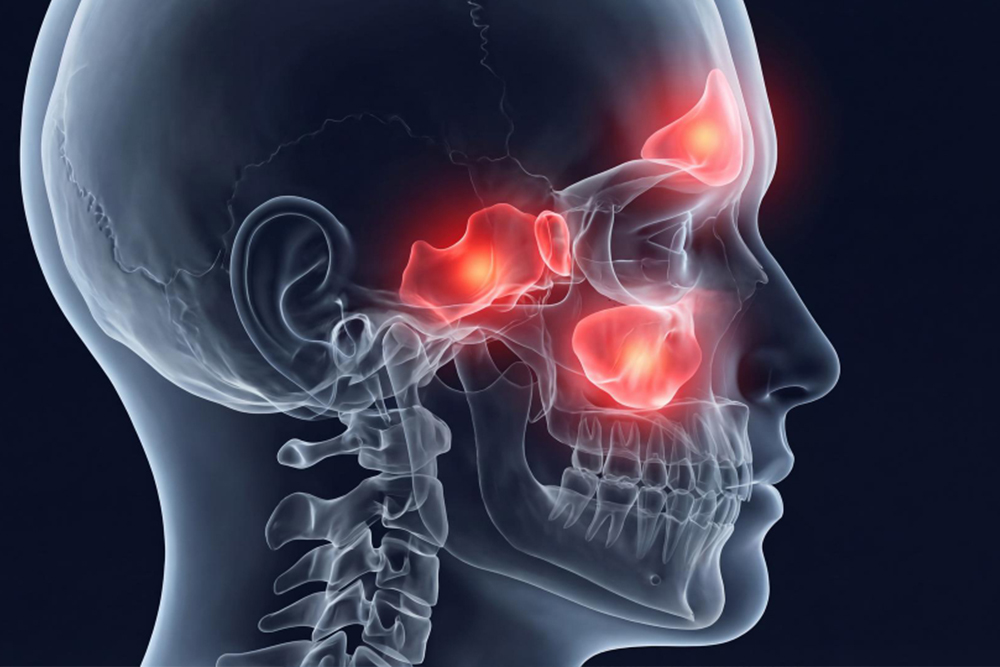
WHAT ARE FACIAL BONE FRACTURES?
Facial bone fractures occur when one or more bones supporting the face break due to an external force or impact. The facial skeleton consists of several bones that form the forehead, nose, cheeks, eye sockets, upper jaw, and lower jaw.
These bones work together to maintain facial structure and protect important organs. When a fracture occurs, it may affect not only the injured bone but also nearby muscles, nerves, teeth, and soft tissues.
Some fractures are small and remain in their original position, while others cause the broken bone fragments to shift. The treatment depends on the location, extent of damage, and whether important functions are affected.
COMMON TYPES OF FACIAL BONE FRACTURES
Facial fractures are classified according to the bones involved. Each type can produce different symptoms and may require a specific treatment approach.
Nasal Bone Fractures
The nose is one of the most commonly injured areas of the face because it projects outward. A direct impact during an accident, fall, or sports injury can cause the nasal bones to break.
Common symptoms include swelling, bruising, nosebleeds, tenderness, and changes in the shape of the nose. Some patients may also experience difficulty breathing through one or both nostrils.
Minor fractures may heal without surgery. However, displaced fractures that affect appearance or nasal breathing may require a procedure to reposition the bones.
Mandibular Fractures (Lower Jaw Fractures)
The mandible, or lower jawbone, supports the lower teeth and plays a major role in chewing and speaking. A strong impact to the chin or lower face can cause a fracture.
Patients may experience difficulty opening or closing their mouths, pain while chewing, swelling, loose teeth, and changes in the way the upper and lower teeth meet.
Treatment depends on the fracture location and stability. Some injuries can be managed with careful observation and dietary changes, while displaced fractures may require surgical fixation.
Maxillary Fractures (Upper Jaw Fractures)
The maxilla forms the upper jaw and contributes to the structure of the nose and lower eye sockets. Injuries to this bone can affect the upper teeth, bite alignment, and facial appearance.
Symptoms may include swelling, bruising around the eyes, difficulty chewing, bleeding inside the mouth, and an abnormal bite.
More complex upper jaw fractures may involve nearby facial bones and require specialised surgical treatment to restore normal alignment.
Zygomatic Fractures (Cheekbone Fractures)
The zygomatic bone forms the prominent part of the cheek and contributes to the outer wall and floor of the eye socket.
A fracture may cause flattening of the cheek, swelling around the eye, numbness over the cheek, or difficulty opening the mouth. In certain cases, eye movement may also become restricted.
Surgery may be recommended when the fracture causes significant displacement, changes facial shape, or affects nearby structures.
Orbital Fractures (Eye Socket Fractures)
The orbit is the bony cavity that surrounds and protects the eyeball. A strong impact to the eye or surrounding facial area can fracture its thin supporting bones.
Symptoms may include double vision, swelling, bruising, pain around the eye, and restricted eye movement. Some patients may also experience changes in the position of the eyeball.
An eye examination and imaging tests help determine the extent of the injury. Surgery may be necessary when the fracture affects eye movement, causes significant changes in eye position, or involves trapped tissues.
COMMON CAUSES AND SYMPTOMS OF FACIAL FRACTURES
Facial bone injuries can occur in several situations. Road traffic accidents, falls, workplace incidents, sports-related impacts, and physical assaults are among the common causes.
The symptoms vary depending on the affected bone and the severity of the injury. However, certain warning signs may indicate a possible fracture.
These include:
- Sudden facial pain and swelling after an injury.
- Bruising around the eyes, nose, or cheeks.
- Visible changes in facial shape or symmetry.
- Difficulty chewing, speaking, or opening the mouth.
- Bleeding from the nose or inside the mouth.
- Numbness in the cheeks, lips, or chin.
- Double vision or restricted eye movement.
If these symptoms occur following an accident, seek medical evaluation promptly. Difficulty breathing, severe bleeding, changes in vision, or loss of consciousness require emergency attention.
HOW ARE FACIAL BONE FRACTURES DIAGNOSED?
Accurate diagnosis is essential for selecting the right treatment. The doctor first assesses the patient's overall condition and checks for injuries involving the head, neck, and other parts of the body.
Once the patient is stable, a detailed facial examination is performed. The doctor checks facial symmetry, jaw movement, dental alignment, eye movement, sensation, and visible injuries.
Imaging tests help confirm the presence and extent of fractures. X-rays may be useful for identifying certain bone injuries, while a CT scan provides detailed images of the facial skeleton and helps identify fractures involving multiple bones.
An eye examination may also be required when the injury affects the area around the eyes. Based on the findings, the medical team decides whether the fracture can heal without surgery or needs operative treatment.
TREATMENT OPTIONS FOR FACIAL BONE FRACTURES
Treatment depends on the type of fracture, the degree of bone displacement, and the functions affected.
Non-Surgical Treatment
Minor fractures that remain properly aligned may heal without an operation. Doctors may recommend pain-relieving medication, cold compresses during the initial period, dietary changes, and regular monitoring.
Patients with jaw injuries may need a soft or liquid diet to reduce pressure on the affected area. Follow-up examinations help ensure that the bones are healing correctly.
Surgical Treatment
Surgery may be required when the broken bones are displaced, unstable, or affecting important functions.
One commonly used technique is open reduction and internal fixation (ORIF). During this procedure, the surgeon carefully repositions the broken bones and secures them using small plates and screws.
These medical-grade implants help maintain bone alignment during healing. In some cases, additional reconstructive procedures may be necessary to restore the natural shape of the face.
Patients requiring Facial Fracture Reconstruction in Hyderabad may benefit from a detailed evaluation to determine the most appropriate surgical approach based on their specific injury.
Reconstructive Procedures
Complex fractures involving the cheekbones, eye sockets, or multiple facial structures may require reconstructive surgery. The objective is to restore bone position, facial symmetry, and normal function.
In certain cases, specialised materials or bone grafts may be used to repair missing or damaged bone. The choice depends on the extent of injury and the surrounding tissue condition.
RECOVERY AFTER FACIAL BONE SURGERY
Recovery depends on the location and severity of the fracture, the type of surgery performed, and the patient's overall health.
Swelling, bruising, and mild discomfort are common during the initial healing period. Patients should follow the surgeon's instructions regarding medication, diet, wound care, and physical activity.
Avoid contact sports and activities that may cause another facial injury until the doctor confirms that healing is adequate. Maintain good oral hygiene, particularly when the surgery involves the jaw or mouth.
Regular follow-up appointments are important to monitor bone healing, bite alignment, facial movement, and any possible complications.
Patients considering Facial bone surgery in Srinagar colony should understand that proper post-operative care and follow-up are important parts of successful recovery.
WHY CHOOSE SPECIALISED MAXILLOFACIAL CARE?
Facial fractures can involve several connected structures, making accurate diagnosis and treatment planning essential. A specialised surgeon understands the relationship between facial bones, teeth, nerves, muscles, and other nearby structures.
Maxillofacial Surgery in Hyderabad provides treatment approaches for injuries affecting the jaws, facial bones, and related structures. Depending on the nature of the injury, treatment may also involve coordination with eye specialists, neurosurgeons, ENT specialists, and dental professionals.
Consulting experienced Oral Surgeons in Srinagar colony, Hyderabad can help patients understand their treatment options and receive appropriate care for facial injuries.
RESTORE FACIAL FUNCTION AND APPEARANCE WITH TIMELY TREATMENT AT SUMUKHA HOSPITALS
Facial bone fractures can affect more than your appearance. They may interfere with chewing, breathing, vision, and normal jaw movement. Early diagnosis and appropriate treatment help reduce the risk of complications and support proper healing.
At Sumukha Hospitals, patients can seek professional evaluation and guidance for facial injuries and related surgical conditions.
Book a consultation today for expert assessment and personalised treatment planning to help restore your facial structure, function, and confidence.
Frequently Asked Questions (FAQs)
1. Can facial bone fractures heal without surgery?
Yes. Minor fractures that remain properly aligned may heal with medication, observation, and appropriate care. Displaced or unstable fractures may require surgery.
2. How long does a facial fracture take to heal?
Many facial bone fractures require around six weeks or longer for initial bone healing. Recovery varies depending on the injury, treatment, and individual healing process.
3. Are facial bone fractures dangerous?
Some fractures are relatively minor, while others can affect vision, breathing, nerves, or jaw function. Any suspected facial fracture should be medically evaluated.
4. Will facial surgery leave visible scars?
Many facial fracture procedures use incisions inside the mouth or in less visible locations when appropriate. However, some injuries require external incisions, and the possibility of scars depends on the surgical approach.
5. Can I eat normally after jaw fracture surgery?
You may need to follow a liquid or soft-food diet initially. Your surgeon will gradually advise when you can return to your regular diet based on bone healing and jaw function.