
Mouth cancer is a serious condition that can affect the lips, tongue, cheeks, gums, roof of the mouth, and the floor of the mouth. Identifying it at an early stage is important because timely diagnosis allows doctors to plan appropriate treatment. However, some early signs of mouth cancer may look similar to common mouth ulcers, infections, or other oral problems.
An oral biopsy is an important diagnostic procedure that helps doctors identify abnormal changes in the mouth and determine whether they are cancerous. It provides information that cannot be confirmed through a physical examination alone.
Understanding how an oral biopsy works, when it is recommended, and what to expect during the procedure can help patients feel more confident about seeking medical care.
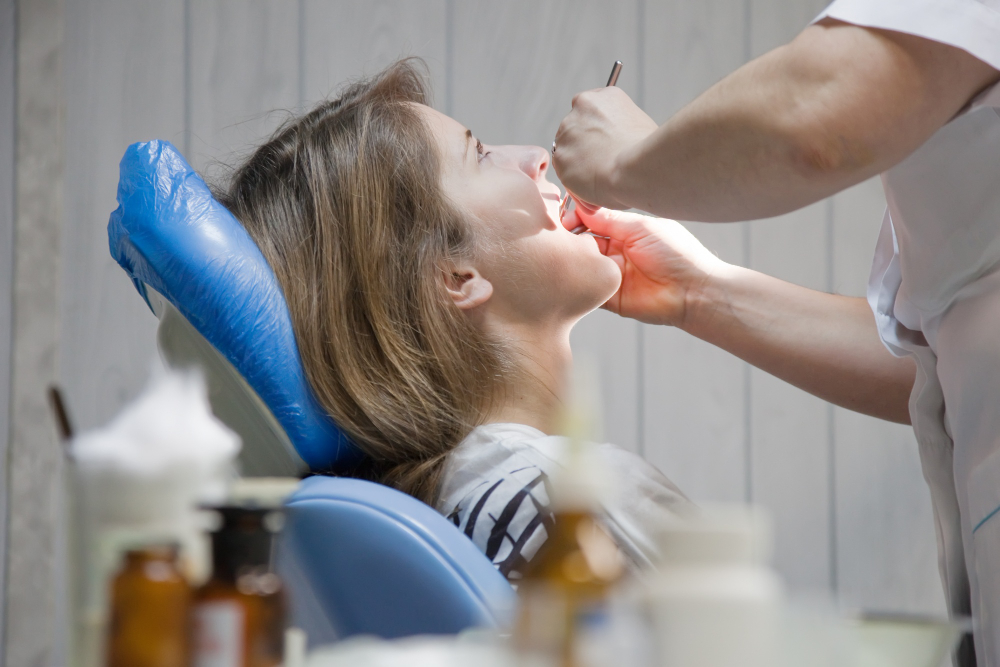
WHAT IS AN ORAL BIOPSY?
An oral biopsy is a medical procedure in which a small sample of tissue is collected from an abnormal area inside the mouth. The sample is then examined under a microscope by a specialist called a pathologist.
The examination helps identify whether the tissue contains cancer cells, precancerous changes, or non-cancerous conditions.
An oral biopsy may be recommended when a doctor notices a persistent ulcer, unusual lump, white or red patch, or unexplained change in the mouth. It is considered one of the most reliable ways to confirm or rule out suspected mouth cancer.
WHEN IS AN ORAL BIOPSY RECOMMENDED?
Not every mouth ulcer or patch indicates cancer. However, certain changes should be examined, especially when they do not heal or gradually become worse.
A doctor may recommend an oral biopsy if you experience:
- Mouth ulcers that do not heal within two to three weeks.
- Persistent white or red patches inside the mouth.
- Unexplained lumps or thickened areas in oral tissues.
- Unusual bleeding or persistent pain.
- Difficulty swallowing, chewing, or moving the tongue.
- Changes in the appearance or texture of the oral tissues.
People who use tobacco, chew betel nut or areca nut, or consume alcohol regularly may have an increased risk of mouth cancer. They should pay particular attention to persistent changes in their oral health.
HOW DOES AN ORAL BIOPSY HELP DIAGNOSE MOUTH CANCER?
An oral biopsy helps doctors examine abnormal tissue at a cellular level. During the procedure, a small tissue sample is collected and sent to a laboratory for detailed examination.
The pathologist studies the sample to identify abnormal cell growth and determine whether cancer is present. The report may also indicate the type of tissue changes and whether they are benign (non-cancerous), precancerous, or malignant (cancerous).
If cancer is confirmed, additional tests may be recommended to understand its type, extent, and spread. These findings help the medical team develop an appropriate treatment plan.
TYPES OF ORAL BIOPSY
The type of biopsy depends on the size, location, and appearance of the abnormal area.
-
Incisional Biopsy:
A small portion of the suspicious tissue is removed for examination. This is commonly used when the affected area is large or when complete removal is not appropriate initially.
-
Excisional Biopsy:
The entire suspicious area may be removed for laboratory examination when it is small and suitable for complete removal.
The doctor selects the most appropriate method after examining the affected area.
WHAT HAPPENS DURING AN ORAL BIOPSY?
An oral biopsy is generally a straightforward procedure performed using local anaesthesia. This numbs the area and helps minimise discomfort.
The doctor first examines the affected area and administers local anaesthesia. A small tissue sample is then carefully collected using appropriate surgical instruments. The sample is preserved and sent to a pathology laboratory for testing.
Depending on the size of the biopsy, stitches may be required. Most patients can return home on the same day.
Some mild soreness, swelling, or minor bleeding may occur afterward. Following the doctor's instructions regarding oral hygiene, food, and medication helps support healing.
WHAT HAPPENS AFTER THE BIOPSY?
Once the tissue sample reaches the laboratory, a pathologist examines it under a microscope. The time required to receive the report may vary depending on the laboratory and the complexity of the sample.
If the results show non-cancerous changes, the doctor may recommend monitoring or treatment for the underlying condition. If precancerous changes are identified, further management may be advised to reduce the risk of progression.
When cancer is confirmed, additional investigations may be required to determine the stage and plan treatment. Depending on the findings, treatment may involve surgery, radiation therapy, chemotherapy, or a combination of approaches.
WHY IS EARLY DIAGNOSIS IMPORTANT?
Early diagnosis helps identify mouth cancer before it progresses to more advanced stages. Delaying medical attention can allow abnormal cells to grow and potentially spread to nearby tissues or lymph nodes.
A biopsy helps avoid unnecessary assumptions based only on the appearance of an oral lesion. It provides valuable information that guides further medical decisions.
Regular dental examinations and prompt evaluation of unusual oral changes are important steps towards protecting long-term oral health.
GET EXPERT ORAL EVALUATION AT SUMUKHA HOSPITALS
Persistent mouth ulcers, unexplained patches, or unusual changes inside the mouth should never be ignored. An oral biopsy can provide important diagnostic information and help doctors identify potentially serious conditions at the earliest opportunity.
At Sumukha Hospitals, patients can receive professional evaluation and guidance for suspicious oral conditions and appropriate diagnostic procedures.
Schedule your consultation today for timely assessment and take an important step towards protecting your oral health.
Frequently Asked Questions (FAQs)
1. Is an oral biopsy painful?
The procedure is usually performed under local anaesthesia, so pain during tissue collection is minimised. Mild soreness or discomfort may occur after the anaesthesia wears off.
2. Does every mouth ulcer require a biopsy?
No. Most mouth ulcers are caused by non-cancerous conditions. However, ulcers that persist for more than two to three weeks should be examined by a medical professional.
3. How long does it take to get an oral biopsy report?
Reports commonly take several days to around one or two weeks, depending on the laboratory and the complexity of the tissue examination.
4. Does an oral biopsy spread cancer?
No. There is no good evidence that a properly performed oral biopsy causes cancer to spread. It is an important procedure for confirming a diagnosis.
5. What happens if the biopsy confirms mouth cancer?
The doctor may recommend further investigations to determine the extent of the disease. Treatment options are then discussed based on the cancer type, stage, location, and the patient's overall health.