
Toothpicks are small, simple tools that many people use without a second thought. For generations, they have been kept on dining tables, handed out at restaurants, and even carried in pockets as a quick solution for removing food stuck between teeth. At first glance, they seem harmless, just slender wooden or plastic sticks designed for convenience. However, what appears to be a practical habit can quietly contribute to a variety of oral health problems. Modern dentistry increasingly cautions against the casual use of toothpicks, especially when they are used frequently or aggressively. The mouth is a delicate environment composed of enamel, gums, and microscopic protective structures that can be easily disturbed needing Gum disease treatment in Srinagar colony.
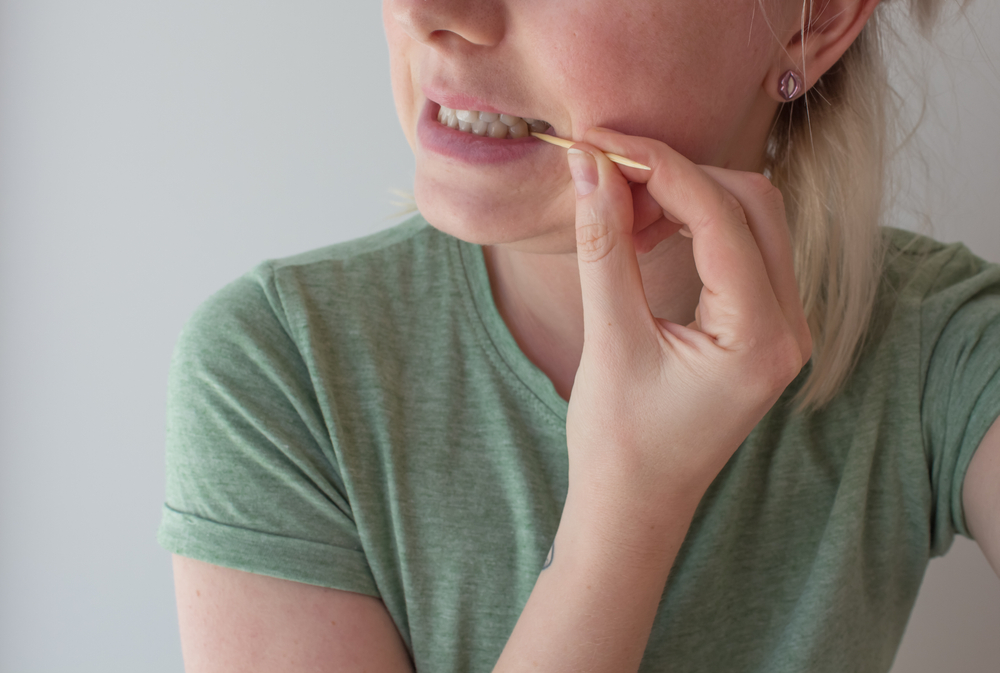
While using a toothpick may provide temporary relief, it often fails to address the underlying issue and may even worsen it. Understanding the potential risks associated with toothpicks is essential for maintaining long-term dental health. What many perceive as a harmless hygiene practice may actually be a source of irritation, damage, and infection when not approached carefully.
One of the primary concerns with toothpicks is their potential to damage tooth enamel and gum tissue. Enamel, although the hardest substance in the human body, is not indestructible. Repeated scraping with a rigid object can gradually wear it down, creating tiny abrasions that increase sensitivity and vulnerability to decay. Wooden toothpicks, in particular, can splinter, leaving behind fragments that irritate or lodge in the gums. This can cause inflammation, bleeding, and even infection. Excessive pressure while probing between teeth may also push bacteria deeper into the gum line, contributing to periodontal issues. Over time, aggressive toothpick use can lead to gum recession, exposing the roots of teeth and increasing the risk of cavities and discomfort. Additionally, toothpicks are not designed with the same precision or flexibility as dental tools, making accidental injury more likely. People often underestimate the force they apply, especially when attempting to remove stubborn debris. Instead of solving the problem, toothpicks may create new pathways for bacteria and damage tissues that are essential for supporting healthy teeth which may lead to Tooth decay treatment in Srinagar Colony.
Food commonly becomes trapped between teeth for several reasons, many of which signal underlying dental concerns. Tight contacts, misaligned teeth, worn fillings, cavities, and gum recession can all create spaces where particles easily lodge. Certain foods, particularly fibrous meats, seeds, and sticky carbohydrates, are more prone to getting stuck. Rather than relying on toothpicks, which may aggravate the situation, safer alternatives exist. Dentist in Srinagar Colony suggest that dental floss is specifically designed to clean between teeth without causing trauma. Interdental brushes and water flossers also offer effective, gentle cleaning options. Maintaining good brushing habits, staying hydrated, and attending regular dental checkups can significantly reduce the frequency of food impaction. Diet also plays a role; limiting overly sticky foods and ensuring balanced nutrition supports healthier gums and teeth. Importantly, persistent food trapping should not be ignored, as it may indicate decay or structural issues requiring professional attention. As per dental clinic near Somajiguda, preventive care, rather than mechanical poking, is the key to resolving the root causes of the problem.
In conclusion, while toothpicks may offer a quick fix, their risks often outweigh their benefits. What seems like a minor habit can contribute to enamel wear, gum injury, bacterial spread, and long-term dental complications. Oral health is best protected through methods designed for safety and precision, such as flossing and professional cleaning. If you frequently experience food getting stuck, gum bleeding, bad breath, or sensitivity, consulting a dental specialist is advisable. These symptoms may point to cavities, gum disease, or poorly fitting restorations that require expert evaluation. A dentist can identify the underlying cause and recommend appropriate treatment or hygiene strategies. Ultimately, preserving oral health involves not only cleaning the teeth but doing so in a manner that respects the delicate tissues of the mouth. Replacing potentially harmful habits with evidence-based practices ensures stronger teeth, healthier gums, and a more confident smile over time.
Watch Dr. Parimala Paravastu, a trusted dentist in Srinagar Colony, Hyderabad at Sumukha Hospital – ENT, Dental & Maxillofacial Surgery Centre, explain how frequent toothpick use can harm your gums. [Click here to watch]