
A healthy smile begins in childhood. Developing good oral hygiene habits early helps children maintain strong teeth, enjoy their favourite foods, and avoid common dental problems. However, cavities are one of the most frequent dental concerns among children. They can affect both baby teeth and permanent teeth, sometimes causing pain, difficulty eating, and problems with normal dental development.
The good news is that childhood cavities are largely preventable with proper brushing, healthy eating habits, fluoride protection, and regular dental check-ups. Parents play an important role in protecting their children's teeth by introducing simple oral care routines from an early age.
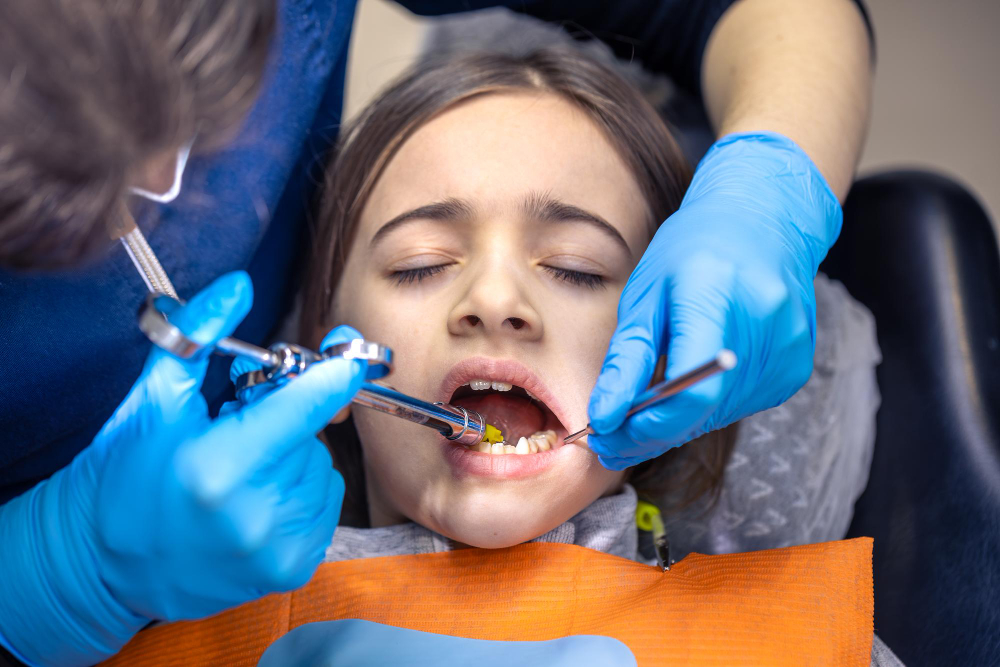
Understanding what causes cavities and how to prevent them can help your child enjoy better oral health as they grow.
WHAT ARE CAVITIES AND WHY DO CHILDREN GET THEM?
Cavities, also known as dental caries or tooth decay, develop when bacteria in the mouth break down sugars from food and drinks. These bacteria produce acids that gradually weaken the outer protective layer of the teeth, called enamel. Over time, this damage can create small holes in the teeth.
Children may be more vulnerable to cavities because their brushing habits are still developing, and they may consume sugary snacks and drinks frequently. Baby teeth also have thinner enamel than adult teeth, which means decay can progress more quickly.
If cavities are not treated, they may cause tooth sensitivity, pain, infection, and difficulty chewing. Even though baby teeth eventually fall out, keeping them healthy is important because they help children chew properly, speak clearly, and maintain space for permanent teeth.
COMMON CAUSES OF TOOTH DECAY IN CHILDREN
Several everyday habits can increase a child's risk of developing cavities. Understanding these causes helps parents make better decisions about their child's dental care.
Frequent consumption of chocolates, sweets, biscuits, cakes, and sugary beverages exposes teeth to repeated acid attacks. Sticky foods can remain on tooth surfaces for longer periods, allowing bacteria to continue producing acids.
Poor brushing habits are another common cause. When children do not clean their teeth properly, food particles and bacterial plaque can accumulate. Plaque is a soft, sticky layer that forms on teeth and contributes to tooth decay.
Allowing babies or young children to sleep with bottles containing milk, formula, or sugary drinks can also increase the risk of early childhood tooth decay. Frequent exposure to these liquids, particularly during sleep, allows sugars to remain around the teeth for extended periods.
7 EFFECTIVE WAYS TO PROTECT YOUR CHILD'S TEETH FROM CAVITIES
Preventing cavities does not require complicated dental routines. Small, consistent habits can make a significant difference in maintaining your child's oral health.
Start Brushing From the First Tooth
Oral care should begin as soon as your baby's first tooth appears. Use a soft, age-appropriate toothbrush and a small amount of fluoride toothpaste.
Children below three years generally need only a smear of toothpaste about the size of a grain of rice. For children aged three to six years, use a pea-sized amount. Parents should supervise brushing and ensure that younger children do not swallow toothpaste.
Encourage your child to brush twice daily, especially before bedtime. As children grow, teach them to brush gently along the front, back, and chewing surfaces of every tooth.
Reduce Sugary Foods and Drinks
Sugar is one of the main contributors to tooth decay. Limiting sugary foods and drinks helps reduce the frequency of acid attacks on the teeth.
Instead of offering sweets, chocolates, and packaged juices frequently, provide healthier alternatives such as fresh fruits, vegetables, plain milk, and other nutritious foods.
Try to serve sweets occasionally rather than allowing children to snack on them throughout the day. Water should be the preferred drink between meals.
Encourage Healthy Eating Habits
A balanced diet supports the development of strong teeth and healthy gums. Calcium-rich foods help build strong teeth, while other essential nutrients support overall growth.
Include foods such as milk, curd, cheese, leafy vegetables, eggs, and other nutritious options in your child's diet. Crunchy fruits and vegetables can also be included as part of a balanced eating routine.
Avoid making sugary snacks a regular reward for good behaviour. Developing healthy food preferences early can support better dental habits throughout childhood.
Make Flossing Part of Oral Care
Brushing alone may not remove food particles and plaque trapped between closely spaced teeth. Flossing helps clean these areas and reduces the risk of cavities forming between teeth.
Parents can begin helping children floss when their teeth start touching each other. Use child-friendly flossing products and demonstrate the correct technique.
As children become more independent, supervise them until they can floss properly without hurting their gums.
Use Fluoride for Stronger Teeth
Fluoride is a natural mineral that helps strengthen tooth enamel and makes teeth more resistant to acid attacks. It can also help repair early enamel damage before a cavity develops.
Using fluoride toothpaste in the correct quantity is an important part of childhood dental care. Depending on the child's cavity risk, a dentist may recommend professional fluoride varnish applications.
Fluoride treatment should always be provided according to the child's age and individual dental needs.
Consider Dental Sealants
Dental sealants are thin protective coatings applied to the chewing surfaces of back teeth. These surfaces often have small grooves where food particles and bacteria can collect, making them difficult to clean.
Sealants cover these grooves and create a smoother surface that is easier to maintain. They are commonly recommended for children's permanent molars, particularly when these teeth first appear.
Your dentist can assess whether sealants are suitable for your child and explain how they help prevent tooth decay.
Schedule Regular Dental Check-ups
Regular dental visits help identify early signs of cavities before they become painful or require extensive treatment. A dental examination also allows the dentist to monitor tooth development, gum health, and the growth of permanent teeth.
Parents should arrange their child's first dental visit by the first birthday or within six months after the first tooth appears, whichever comes first.
Children with a higher risk of cavities may need more frequent visits depending on their dentist's recommendation.
SIGNS THAT YOUR CHILD MAY HAVE CAVITIES
Tooth decay does not always cause pain during its early stages. Therefore, parents should observe their child's teeth regularly and look for changes in their appearance or behaviour.
Common warning signs include:
- White, chalky spots on the teeth.
- Brown or black marks on tooth surfaces.
- Complaints of toothache or sensitivity.
- Pain while eating hot, cold, or sweet foods.
- Food frequently getting stuck between teeth.
- Swelling around the gums or persistent discomfort.
If you notice any of these signs, arrange a dental examination rather than waiting for the pain to become severe. Early treatment can help prevent further damage.
WHY CHOOSE PROFESSIONAL DENTAL CARE FOR YOUR CHILD?
Children require dental care that considers their age, comfort, and stage of development. A positive dental experience can help them feel more confident about visiting a dentist and following oral hygiene routines.
At a Pediatric Dental Clinic in Srinagar colony, children can receive age-appropriate dental examinations, preventive treatments, and guidance on maintaining healthy teeth.
Parents looking for experienced Pediatric Dentists in Hyderabad should consider professionals who explain procedures clearly, help children feel comfortable, and provide practical advice on preventing tooth decay.
Dr. B. Sowmya focuses on the importance of preventive dental care and early identification of oral health concerns. Regular professional guidance can help parents understand their child's dental development and take timely steps to protect their smile.
BUILDING HEALTHY DENTAL HABITS AT HOME
Children learn many of their daily habits by observing their parents. Brushing together, choosing nutritious foods, and maintaining regular dental appointments can make oral care a natural part of family life.
Make brushing enjoyable by using colourful toothbrushes, playing a short brushing song, or creating a simple reward chart for consistent oral hygiene. Avoid frightening children with dental procedures or using dental visits as a punishment.
Parents should also remember that baby teeth need proper care even though they are temporary. Healthy primary teeth support chewing, speech development, and the correct positioning of permanent teeth.
A Children dental doctor in Srinagar colony can guide parents on age-appropriate brushing techniques, fluoride use, and preventive treatments based on their child's oral health.
GIVE YOUR CHILD THE GIFT OF A HEALTHY SMILE
Protecting your child's teeth from cavities starts with small daily habits and timely professional care. Regular brushing, healthy food choices, fluoride protection, and routine dental examinations can significantly reduce the risk of tooth decay.
At Sumukha Hospitals, children can receive professional dental evaluation and preventive care suited to their individual needs.
Visit Sumukha Hospitals, a trusted Child dental hospital in Hyderabad, and schedule your child's dental consultation today to give them a healthy foundation for a lifetime of confident smiles.
Frequently Asked Questions (FAQs)
1. At what age should I start brushing my child's teeth?
Start cleaning your baby's mouth early and begin brushing with a soft toothbrush and a small amount of fluoride toothpaste as soon as the first tooth appears.
2. Are cavities in baby teeth serious?
Yes. Untreated cavities can cause pain, infection, and difficulty eating. Baby teeth also help maintain space for permanent teeth, so they should be protected and treated when necessary.
3. How often should children visit a dentist?
Children generally benefit from dental check-ups every six months. However, the dentist may recommend more frequent visits depending on the child's cavity risk and oral health.
4. Can cavities be prevented completely?
Although no prevention method guarantees that cavities will never develop, regular brushing, fluoride use, healthy eating habits, and professional dental care can greatly reduce the risk.
5. Are dental sealants safe for children?
Yes. Dental sealants are commonly used as a preventive treatment for children's back teeth. They form a protective layer over the chewing surfaces and help reduce the risk of decay.