
Breathing comfortably through the nose is essential for good respiratory health and everyday well-being. However, some people experience persistent nasal blockage, difficulty breathing through one nostril, frequent headaches or disturbed sleep. One possible reason for these problems is a condition called a deviated nasal septum.
A deviated nasal septum is a common structural problem in which the thin wall separating the two nasal passages is displaced towards one side. While some people may not experience any noticeable symptoms, others may develop breathing difficulties that affect their daily activities and quality of life.
Understanding its causes, symptoms and available treatment options can help patients seek timely medical attention. At Sumukha Hospitals, patients can receive professional guidance for evaluating and managing nasal conditions.
WHAT IS A DEVIATED NASAL SEPTUM?
The nasal septum is the thin internal wall that divides the nose into two separate passages. It consists of cartilage at the front and bone towards the back. Ideally, this structure should be positioned close to the centre, allowing air to pass comfortably through both nostrils.
When the septum bends or shifts towards one side, it is known as a deviated nasal septum (DNS). This can make one nasal passage narrower than the other, restricting airflow and sometimes affecting the normal drainage of mucus from the sinuses.
The severity of the condition varies. A minor deviation may not cause any problems, while a significant displacement can result in persistent nasal obstruction, breathing difficulties and other related symptoms.
WHAT CAUSES A DEVIATED NASAL SEPTUM?
A deviated septum can develop due to several reasons. Some people are born with this condition, while others develop it during childhood or adulthood.
One common cause is a physical injury to the nose. Accidents, falls, sports injuries or other impacts can displace the nasal septum. In some cases, the deviation may develop during childhood as the nose grows.
Certain individuals are born with a naturally uneven septum. Sometimes, the deviation becomes more noticeable as the facial and nasal structures develop.
Age-related changes can also contribute to worsening nasal obstruction. Additionally, conditions such as nasal allergies or enlarged nasal tissues may increase congestion and make an existing deviation more noticeable.
It is important to understand that allergies do not directly cause a structural deviation. However, they can worsen the symptoms experienced by someone who already has one.
COMMON SYMPTOMS OF A DEVIATED NASAL SEPTUM
The symptoms depend on how much the septum is displaced and whether other nasal conditions are present. Some people remain symptom-free, while others experience ongoing discomfort.
Common symptoms include:
- Persistent blockage in one or both nostrils.
- Difficulty breathing comfortably through the nose.
- Frequent mouth breathing, especially during sleep.
- Snoring or disturbed sleep.
- Repeated nosebleeds due to dryness and irritation.
- Headaches or facial discomfort in some individuals.
- Frequent nasal congestion.
- Reduced sense of smell.
- Recurrent sinus infections in certain cases.
One side of the nose may feel more blocked than the other, although the degree of obstruction can change throughout the day due to the natural nasal cycle.
If these symptoms continue or interfere with sleep and daily activities, consulting an ENT specialist is advisable. Early evaluation can help determine whether the problem is caused by a structural abnormality, allergies or another nasal condition.
HOW IS A DEVIATED NASAL SEPTUM DIAGNOSED?
An accurate diagnosis is important before deciding on treatment. The doctor usually begins by discussing the patient's symptoms, medical history, previous nasal injuries and any history of allergies or sinus infections.
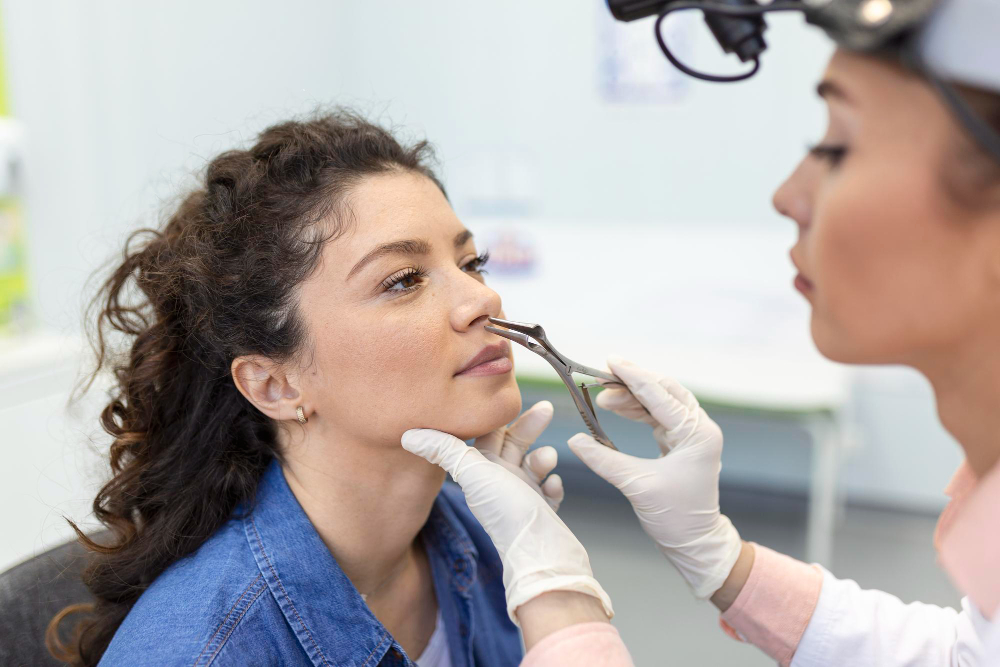
A physical examination follows, during which the doctor checks the external nose and examines the internal nasal passages for signs of displacement, swelling or obstruction.
Nasal endoscopy may be recommended when a closer examination is required. This procedure uses a thin instrument with a small camera to view the internal nasal structures and identify possible blockages or other abnormalities.
In selected cases, a CT scan may be advised, particularly when sinus disease or additional structural problems are suspected.
Patients experiencing persistent breathing difficulties can explore Deviated nasal septum treatment in Hyderabad after receiving an appropriate clinical assessment.
TREATMENT OPTIONS FOR A DEVIATED NASAL SEPTUM
Treatment depends on the severity of the deviation and the symptoms experienced by the patient. Not everyone with a displaced septum requires surgery.
Medication and Non-Surgical Management
When symptoms are mild or are worsened by allergies and inflammation, medication may help improve breathing comfort.
Doctors may recommend saline nasal sprays or rinses to clear mucus and keep the nasal passages moist. Corticosteroid nasal sprays may help reduce inflammation, particularly when allergic rhinitis is present. Antihistamines may also be prescribed for allergy-related symptoms.
These treatments can reduce swelling and congestion but cannot physically straighten the deviated septum.
Avoid using medicated nasal decongestant sprays for prolonged periods without medical advice, as excessive use can worsen nasal congestion.
Septoplasty Surgery
When nasal obstruction is significant and does not improve with appropriate medical management, surgery may be recommended. Septoplasty is the procedure used to correct the position of the nasal septum.
During the procedure, the surgeon makes an incision inside the nose and carefully lifts the thin tissue covering the septum. The displaced cartilage and bone are then adjusted, reshaped or selectively removed to improve the alignment of the nasal passage.
The tissue lining is repositioned after correction. Internal supports or stitches may be used when necessary.
The procedure is generally performed under general anaesthesia and usually does not require external cuts on the nose. The main objective is to improve airflow rather than change the external appearance.
Patients considering a Septoplasty procedure in Hyderabad should discuss their symptoms, examination findings and expected outcomes with a qualified surgeon.
Combined Nasal Procedures
In certain situations, septoplasty may be combined with other nasal procedures. For example, a patient with both a deviated septum and external nasal deformity may require septoplasty along with rhinoplasty.
If nasal polyps, enlarged turbinates or sinus blockages are also present, additional treatment may be considered depending on the clinical findings.
The surgeon determines the most suitable approach after evaluating the patient's complete nasal anatomy and breathing function.
RECOVERY AFTER SEPTOPLASTY
Recovery following surgery varies from person to person. Most patients experience temporary nasal blockage, mild discomfort, swelling or slight bleeding during the initial healing period.
Patients may be advised to:
- Rest adequately during the first few days.
- Avoid strenuous physical activity until permitted.
- Avoid blowing the nose during the early recovery period.
- Follow prescribed medication instructions.
- Attend scheduled follow-up appointments.
- Keep the nasal passages clean as advised by the surgeon.
Breathing may not improve immediately because swelling can temporarily restrict airflow. Gradual improvement occurs as the internal tissues heal.
Most patients can return to routine activities within one to two weeks, depending on the nature of their work and recovery. Complete internal healing may take longer.
As with any surgical procedure, possible risks include bleeding, infection, persistent blockage, septal perforation (a small hole in the septum) and changes in smell. These should be discussed before surgery.
WHAT IS THE COST OF SEPTOPLASTY SURGERY?
The cost of surgery depends on several factors, including the severity of the deviation, surgical complexity, anaesthesia requirements, hospital facilities and whether additional procedures are needed.
The patient's overall health and pre-operative investigations may also influence the final estimate.
Patients researching Septoplasty surgery cost in srinagar colony, Hyderabad should request a personalised estimate following a medical examination rather than relying on a general price range.
Choosing a hospital based only on cost is not advisable. Surgical expertise, proper diagnostic evaluation, safety standards and post-operative care are equally important.
CHOOSING THE RIGHT SPECIALIST FOR TREATMENT
Successful treatment begins with identifying the exact cause of nasal obstruction. A qualified specialist can determine whether medication, lifestyle adjustments or surgical correction is appropriate.
Patients seeking ENT doctors for DNS should consider the doctor's experience, surgical qualifications, diagnostic facilities and follow-up care when selecting a hospital.
Consulting experienced ENT surgeons in Hyderabad can help patients understand the available treatment approaches and make informed decisions.
At Sumukha Hospitals, Dr. Sudhamsh Thirunahari can guide patients through the evaluation of nasal problems and discuss suitable management options based on their individual condition. Patients should seek medical advice if breathing difficulties persist or repeatedly affect their sleep and everyday comfort.
BREATHE BETTER WITH THE RIGHT TREATMENT
A deviated nasal septum can affect breathing, sleep and overall comfort, but appropriate evaluation can help identify the right way to manage the condition.
Book your consultation at Sumukha Hospitals today and consult Dr. Sudhamsh Thirunahari for expert evaluation and personalised guidance on managing a deviated nasal septum.
Frequently Asked Questions (FAQs)
1. Is a deviated nasal septum a serious condition?
Not always. Many people have a minor deviation without symptoms. However, significant displacement can cause persistent breathing difficulties and may require medical treatment.
2. Can a deviated nasal septum be corrected without surgery?
Medication can help reduce swelling and congestion associated with allergies or inflammation. However, it cannot physically straighten the septum. Surgery may be required when structural obstruction causes significant symptoms.
3. Does septoplasty change the shape of the nose?
Septoplasty primarily corrects the internal nasal structure. It is not intended to change the external appearance of the nose.
4. How long does septoplasty surgery take?
The procedure commonly takes around 30 to 90 minutes, depending on its complexity and whether additional procedures are performed.
5. Can a deviated nasal septum return after surgery?
The corrected septum generally remains improved, but residual or recurrent obstruction can occur due to healing changes, scar tissue or other nasal conditions. Following post-operative instructions and attending follow-up visits are important.