
A healthy smile is important not only for your appearance but also for your ability to eat, speak, and maintain good oral health. However, when several teeth are missing, severely damaged, worn down, or affected by long-term dental problems, everyday activities can become difficult. These problems may also affect your confidence and overall quality of life.
Full mouth rehabilitation is a comprehensive dental treatment approach that helps restore the health, function, and appearance of multiple teeth. It combines different dental procedures based on the patient's individual needs to rebuild a comfortable and functional smile.
With advances in modern dentistry, several treatment options are available to address complex dental problems. Understanding these options can help you make informed decisions about restoring your oral health.
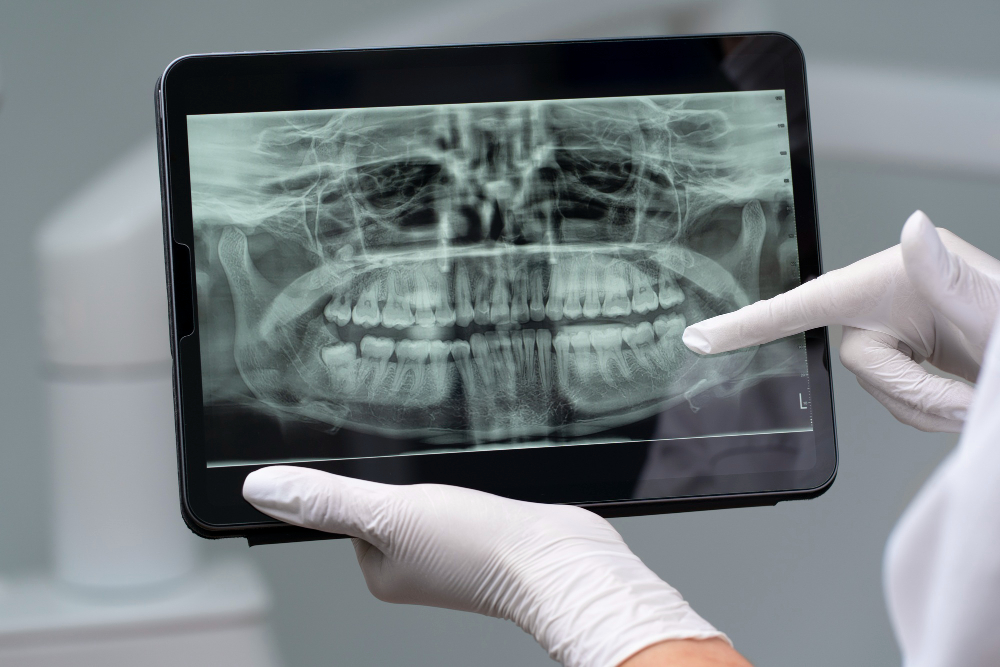
WHAT IS FULL MOUTH REHABILITATION?
Full mouth rehabilitation, also known as full mouth reconstruction, involves restoring or replacing most or all teeth in the upper and lower jaws. It is designed for individuals who have multiple missing teeth, extensive tooth damage, severe wear, or other conditions affecting their ability to chew and speak comfortably.
Unlike a routine dental procedure that focuses on a single tooth, this treatment considers the entire mouth. The dentist evaluates the teeth, gums, jaw joints, bite alignment, and supporting bone before developing a personalised treatment plan.
The main goal is to restore proper chewing function, improve dental health, create a balanced bite, and enhance the appearance of the smile. Depending on the patient's condition, treatment may involve dental implants, crowns, bridges, dentures, root canal treatment, or gum care.
WHO NEEDS FULL MOUTH REHABILITATION?
Not everyone with a missing or damaged tooth requires full mouth rehabilitation. However, it may be recommended when multiple dental problems affect the overall function and structure of the mouth.
Some common conditions that may require comprehensive dental restoration include:
- Multiple missing teeth due to decay, gum disease, or accidental injuries.
- Severely damaged or broken teeth that cannot be restored with simple fillings.
- Excessively worn teeth caused by long-term grinding or acid erosion.
- Advanced tooth decay affecting several teeth.
- Bite problems that make chewing uncomfortable or uneven.
- Old or damaged dental restorations that need replacement.
- Gum disease resulting in tooth loss or reduced support for natural teeth.
A detailed dental examination helps determine whether full mouth rehabilitation is appropriate and which procedures are necessary.
COMMON TREATMENT OPTIONS FOR FULL MOUTH REHABILITATION
Full mouth rehabilitation may involve a combination of treatments. The selection depends on the number of affected teeth, the condition of the gums and jawbone, and the patient's overall oral health.
Dental Implants
Dental implants are one of the commonly used options for replacing missing teeth. They consist of small, screw-shaped posts, usually made from titanium, that are placed into the jawbone to act as artificial tooth roots.
After the implant integrates with the surrounding bone, a replacement tooth, bridge, or denture can be attached to it.
Dental implants provide stable support for replacement teeth and can help maintain jawbone structure. They may be suitable for replacing a single tooth, several missing teeth, or an entire set of teeth, depending on the available bone and treatment requirements.
Dental Crowns
Dental crowns are protective coverings placed over damaged or weakened teeth. They restore the tooth's shape, size, strength, and appearance.
Crowns may be recommended for teeth that have undergone root canal treatment, have extensive decay, or have suffered significant damage. They can also be placed over dental implants to replace missing teeth.
Crowns are available in different materials, including ceramic, porcelain, and metal-based options. The dentist selects the appropriate material based on the tooth's location, appearance, and functional requirements.
Dental Bridges
Dental bridges are fixed restorations used to replace one or more missing teeth. They consist of artificial teeth supported by neighbouring natural teeth or dental implants.
A bridge fills the gap created by missing teeth and helps restore chewing function. It can also prevent nearby teeth from shifting into the empty space.
Traditional bridges require the supporting natural teeth to be prepared, while implant-supported bridges use dental implants for support. The most suitable option depends on the condition of the surrounding teeth and jawbone.
Complete and Partial Dentures
Dentures are removable dental appliances designed to replace missing teeth. Complete dentures replace all teeth in the upper or lower jaw, while partial dentures replace some missing teeth when natural teeth remain.
Modern dentures are designed to fit comfortably and improve chewing and speech. In selected cases, dentures can also be supported by dental implants to provide better stability.
Root Canal Treatment
When the inner portion of a tooth becomes infected or severely inflamed, root canal treatment may help save the natural tooth.
During the procedure, the infected or damaged tissue inside the tooth is removed. The space is cleaned, disinfected, and sealed to prevent further infection. A crown may be recommended afterward to protect the treated tooth, depending on its condition.
Preserving natural teeth whenever possible is an important part of comprehensive dental rehabilitation.
BENEFITS OF FULL MOUTH REHABILITATION
Restoring multiple damaged or missing teeth can improve several aspects of daily life. A carefully planned treatment approach focuses on both immediate dental concerns and long-term oral health.
Some important benefits include:
- Improved chewing ability: Replacing missing or damaged teeth helps patients eat a wider variety of foods more comfortably.
- Better speech: Restoring missing teeth may improve pronunciation and clarity.
- Enhanced appearance: Dental restorations can improve the shape, alignment, and overall appearance of the smile.
- Balanced bite: Correcting bite problems helps distribute chewing pressure more evenly.
- Support for oral health: Replacing missing teeth and treating damaged teeth can help reduce certain complications associated with untreated dental problems.
- Increased confidence: A healthier and more complete smile can make social interactions more comfortable.
The results vary depending on the patient's dental condition, selected procedures, and commitment to regular oral care.
WHAT IS THE FULL MOUTH REHABILITATION PROCEDURE?
Full mouth rehabilitation requires careful planning because multiple teeth and supporting structures may need treatment. The process generally begins with a detailed consultation.
The dentist examines the teeth, gums, jaw joints, and bite. Dental X-rays or three-dimensional scans may be recommended to assess the jawbone and identify hidden dental problems.
Based on these findings, a customised treatment plan is prepared. The dentist explains the recommended procedures, expected treatment sequence, available alternatives, and estimated duration.
Before replacing teeth, existing problems such as tooth decay and gum disease are treated. Damaged teeth may undergo root canal treatment or restoration, while teeth that cannot be saved may need extraction.
Once the mouth is healthy enough, restorative procedures such as crowns, bridges, implants, or dentures are completed. Follow-up visits help evaluate healing, bite alignment, and the fit of the restorations.
Patients seeking a Dental doctor in Hyderabad should choose a professional who carefully evaluates the entire oral condition rather than focusing only on individual missing or damaged teeth.
HOW LONG DOES FULL MOUTH REHABILITATION TAKE?
The treatment duration varies considerably from one patient to another. Some patients may complete their treatment within a few weeks or months, while others may require a longer period.
The timeline depends on the number of procedures involved, the condition of the gums and jawbone, and whether dental implants are required. Implant treatment may take several months because the implant needs time to integrate with the jawbone before the final restoration is placed.
Patients who require bone grafting or treatment for advanced gum disease may also need additional healing time.
CARING FOR YOUR TEETH AFTER REHABILITATION
Maintaining good oral hygiene is essential to protect natural teeth and dental restorations after treatment. Brush twice daily with fluoride toothpaste and clean between your teeth every day. Use suitable cleaning tools for areas around bridges and implants.
Avoid biting extremely hard objects and follow your dentist's instructions regarding food restrictions, especially during the healing period. If you have a habit of grinding your teeth, ask whether a protective night guard is appropriate.
Regular dental check-ups and professional cleaning help identify potential problems early and maintain the condition of your restorations.
Choosing an experienced Dental implant clinic in Srinagar colony can also help patients understand the importance of proper implant planning, placement, and long-term maintenance.
CHOOSING THE RIGHT TREATMENT FOR YOUR SMILE
Full mouth rehabilitation is not a single procedure but a combination of treatments selected according to individual dental needs. Factors such as the number of missing teeth, jawbone health, gum condition, bite alignment, budget, and personal expectations influence the treatment plan.
An experienced dental professional will explain the available options and help you understand the benefits, limitations, and maintenance requirements of each approach.
If you are considering comprehensive dental restoration, consulting a qualified Dentist in Srinagar colony, Hyderabad can help you explore suitable solutions and take the right steps towards improving your oral health.
RESTORE YOUR SMILE WITH COMPREHENSIVE DENTAL CARE AT SUMUKHA HOSPITALS
Living with multiple missing or damaged teeth can affect your comfort, confidence, and everyday activities. Full mouth rehabilitation offers a personalised approach to restoring dental function and appearance through modern restorative treatments.
At Sumukha Hospitals, patients can receive professional dental evaluation and guidance to understand suitable treatment options based on their individual needs.
Book your dental consultation today and take the first step towards a healthier, stronger, and more confident smile.
Frequently Asked Questions (FAQs)
1. Is full mouth rehabilitation suitable for older adults?
Yes. Age alone does not determine whether someone can undergo full mouth rehabilitation. The patient's general health, gum condition, jawbone health, and ability to undergo treatment are more important considerations.
2. Is full mouth rehabilitation painful?
Most dental procedures are performed using local anaesthesia to minimise discomfort. Some soreness, swelling, or sensitivity may occur afterward, depending on the treatment involved.
3. Can all missing teeth be replaced with dental implants?
In many cases, implants can replace several or all missing teeth. However, suitability depends on jawbone health, available bone, gum condition, and overall health. Alternatives may be recommended when implants are not appropriate.
4. How long do the results of full mouth rehabilitation last?
The lifespan of dental restorations varies depending on the materials used, oral hygiene, biting habits, and regular dental care. Proper maintenance and follow-up appointments help support long-term results.
5. Is full mouth rehabilitation completed in one sitting?
Usually, no. Since several teeth and oral structures may require treatment, the process is generally completed in multiple stages. The duration depends on the complexity of the dental condition and the procedures required.