
Facial injuries can happen unexpectedly due to road accidents, sports injuries, falls, workplace accidents, or physical trauma. Depending on the severity, these injuries may affect the skin, facial bones, teeth, jaw, and other important structures. While minor injuries may heal with basic medical care, serious facial trauma can interfere with breathing, eating, speaking, vision, and the natural appearance of the face.
Maxillofacial surgery plays an important role in treating complex injuries involving the face, mouth, and jaws. It focuses on repairing damaged structures, restoring normal function, and improving facial appearance wherever possible. Understanding when surgery is necessary can help patients and families seek timely medical attention.
WHAT IS FACIAL TRAUMA?
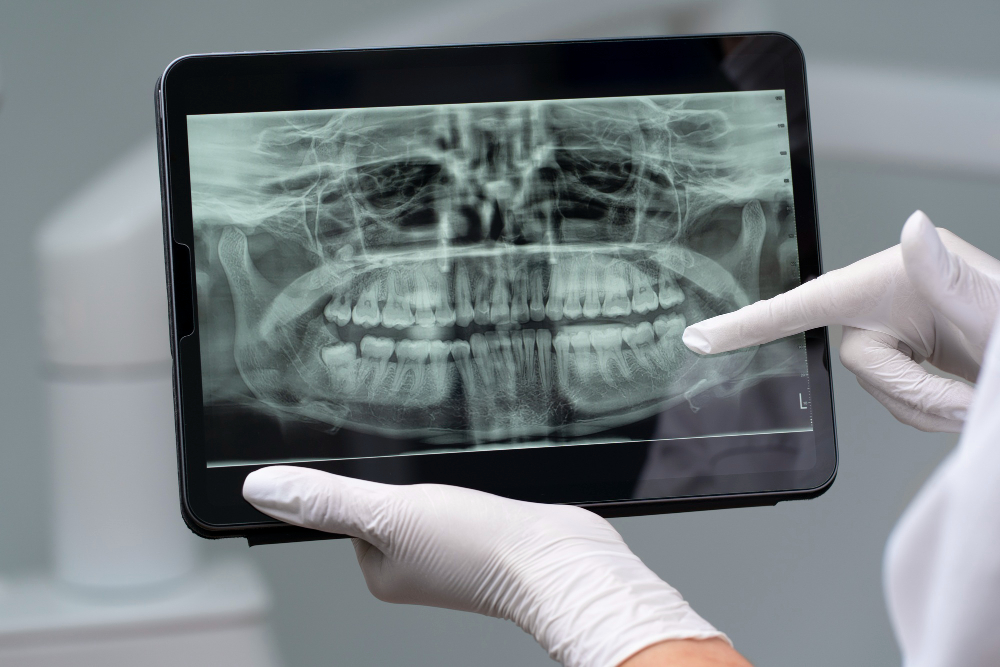
Facial trauma refers to injuries affecting the bones and soft tissues of the face. These injuries may involve the forehead, nose, cheeks, jawbones, eye sockets, lips, and mouth.
The severity can range from minor cuts and bruises to complicated fractures involving multiple facial bones. Some injuries may also damage teeth, nerves, salivary glands, and nearby structures.
Facial trauma is not only a cosmetic concern. Serious injuries can affect essential functions such as breathing, chewing, swallowing, speaking, and protecting the eyes. Therefore, proper evaluation is important even when the external injury appears relatively small.
COMMON CAUSES OF FACIAL INJURIES
Facial trauma can occur in different situations, depending on the nature of the accident and the force of impact.
Some common causes include:
- Road traffic accidents involving cars, motorcycles, or pedestrians.
- Sports injuries during contact games and recreational activities.
- Accidental falls, particularly among children and older adults.
- Workplace injuries involving machinery or heavy objects.
- Physical assaults and direct blows to the face.
- Accidental injuries at home or during outdoor activities.
The type and severity of injury depend on the location of impact, the force involved, and the structures affected.
TYPES OF FACIAL INJURIES THAT MAY REQUIRE SURGERY
Not every facial injury requires an operation. However, certain injuries need specialised treatment to restore the normal structure and function of the affected areas.
1. Facial Bone Fractures
Facial fractures occur when one or more bones in the face break due to an impact. Commonly affected areas include the cheekbones, jawbones, nose, and bones surrounding the eyes.
A fracture may cause pain, swelling, bruising, difficulty opening the mouth, or changes in facial appearance. Some patients may also experience problems with their bite or vision.
Minor fractures may heal with observation and appropriate medical care. However, displaced or unstable fractures may require surgery to reposition and stabilise the bones.
2. Jaw Fractures
The upper and lower jaws play an important role in chewing, speaking, and maintaining facial structure. A fracture in either jaw can affect these functions.
Patients with jaw fractures may experience difficulty chewing, loose teeth, bleeding inside the mouth, swelling, and an unusual bite.
Depending on the location and severity, treatment may involve observation, dietary modifications, temporary stabilisation, or surgery using small plates and screws to hold the broken bones in position.
3. Cheekbone and Eye Socket Injuries
The cheekbones help maintain the natural shape of the face and support the eye socket. A strong impact may fracture these bones and affect the surrounding structures.
Some patients experience facial flattening, swelling around the eyes, double vision, restricted eye movement, or numbness in the cheek.
Surgery may be necessary when the fracture changes facial shape, affects eye movement, or causes other functional problems.
4. Soft Tissue Injuries
Facial trauma may also cause deep cuts, torn skin, muscle damage, and injuries to the lips or other soft tissues.
Minor wounds may heal with cleaning and basic wound care. However, deeper injuries may require careful surgical repair to restore the affected tissues and reduce the risk of complications.
Proper treatment is particularly important when injuries involve the lips, eyelids, or other areas where both function and appearance matter.
5. Dental and Oral Injuries
Accidents can damage or displace teeth, injure the gums, and cause fractures involving the supporting jawbone.
Some injured teeth can be preserved through dental procedures, while severely damaged teeth may require extraction or replacement. When dental injuries occur alongside facial fractures, coordinated treatment helps restore both oral health and facial function.
WHEN IS MAXILLOFACIAL SURGERY REQUIRED?
The decision to perform maxillofacial surgery depends on the severity, location, and nature of the injury. Doctors first assess the damage and determine whether the affected structures can heal properly without an operation.
Surgery may be recommended in situations involving displaced facial fractures, unstable jawbones, significant changes in the bite, or injuries that interfere with essential functions.
For example, if a broken jaw prevents the teeth from meeting correctly, surgical correction may be required to restore proper alignment. Similarly, fractures around the eye socket may need surgical treatment if they affect eye movement, vision, or the position of the eyeball.
Surgery may also be considered when facial injuries cause noticeable changes in appearance or when damaged tissues require reconstruction.
The primary goals are to restore the normal position of bones, protect important structures, improve function, and achieve a balanced facial appearance.
HOW IS FACIAL TRAUMA DIAGNOSED?
Accurate diagnosis is essential before deciding on the most suitable treatment. The medical team begins by examining the patient's overall condition and checking for injuries that may require immediate attention.
Once the patient is stable, the doctor examines the face, jaw movement, teeth, facial sensation, eye movement, and any visible wounds.
Imaging tests may be recommended to understand the extent of the injury. X-rays can help identify certain fractures, while a CT scan provides more detailed images of facial bones and surrounding structures.
The findings help the surgical team determine whether conservative treatment or an operation is appropriate.
WHAT HAPPENS DURING MAXILLOFACIAL SURGERY?
The exact procedure depends on the type of facial injury. Most operations are performed under general anaesthesia, which means the patient is asleep during the procedure.
For facial fractures, the surgeon carefully repositions the broken bones into their correct positions. Small medical-grade plates and screws may be used to hold the bones securely while they heal.
For soft tissue injuries, damaged areas are cleaned and repaired using suitable surgical techniques. In more complex cases, reconstructive procedures may be needed to restore the natural shape and function of the affected region.
After surgery, patients are monitored to assess healing, swelling, pain, and movement. The recovery period varies depending on the injury and the complexity of the operation.
RECOVERY AND CARE AFTER FACIAL TRAUMA SURGERY
Recovery from maxillofacial surgery requires proper care and regular follow-up appointments. Some swelling, bruising, and discomfort are expected during the initial healing period.
Patients may be advised to follow a soft or liquid diet, particularly when the jaw has been injured or operated on. Maintaining oral hygiene is important, although cleaning around surgical areas may require special instructions.
Avoid smoking, alcohol, strenuous physical activity, and contact sports during the recommended recovery period. Take prescribed medications as directed and attend all follow-up appointments.
The healing time depends on the type of injury. Soft tissue wounds may recover relatively quickly, while facial bone fractures may require several weeks or longer to heal adequately.
WARNING SIGNS THAT REQUIRE IMMEDIATE MEDICAL ATTENTION
Facial injuries should never be ignored when they involve serious symptoms. Some complications may not be immediately visible after an accident.
Seek emergency medical attention if you experience:
- Difficulty breathing or swallowing.
- Heavy or uncontrolled bleeding.
- Sudden changes in vision or double vision.
- Severe facial swelling or deformity.
- Loss of consciousness, confusion, or repeated vomiting after a head injury.
- Difficulty opening or closing the mouth following an accident.
- Numbness or weakness affecting parts of the face.
If a serious accident has occurred, do not delay emergency evaluation while waiting for symptoms to become worse. Suspected head, neck, or spinal injuries should be handled carefully, and unnecessary movement should be avoided.
WHY TIMELY TREATMENT MATTERS
Early evaluation of facial trauma helps doctors identify fractures, internal injuries, and damage to important facial structures. Delayed treatment in certain cases may lead to improper bone healing, persistent bite problems, restricted jaw movement, or changes in facial appearance.
Not every injury requires immediate surgery, and some fractures can be managed without an operation. However, timely diagnosis allows doctors to choose the appropriate treatment before complications develop.
A specialised maxillofacial surgical team can coordinate treatment with other specialists when injuries involve the eyes, brain, teeth, or other parts of the body.
EXPERT FACIAL TRAUMA CARE AT SUMUKHA HOSPITALS
Facial injuries require careful evaluation because they can affect both appearance and essential daily functions. Whether the injury involves a fractured jaw, damaged cheekbone, dental trauma, or soft tissue damage, selecting the right treatment is important for recovery.
At Sumukha Hospitals, patients can receive professional evaluation and guidance for facial injuries and related surgical needs.
Consult the experienced medical team at Sumukha Hospitals today for timely assessment and appropriate treatment to help restore facial function, structure, and confidence.
Frequently Asked Questions (FAQs)
1. Does every facial fracture require surgery?
No. Some minor and stable fractures can heal with observation, medication, and dietary modifications. Surgery is generally considered when fractures are displaced, unstable, or affect important functions.
2. How long does it take to recover from facial trauma surgery?
Recovery depends on the type and severity of the injury. Soft tissue injuries may heal within a few weeks, while facial bone fractures may take several weeks or longer to heal.
3. Can facial trauma affect vision?
Yes. Injuries involving the eye socket or surrounding facial bones may cause double vision, restricted eye movement, or other visual problems. Sudden changes in vision require urgent medical assessment.
4. Will my face look normal after maxillofacial surgery?
The goal of surgery is to restore facial structure and function as closely as possible to normal. The final result depends on the severity of the injury, the tissues affected, and the healing process.
5. Which specialist treats facial fractures?
Oral and maxillofacial surgeons are trained to diagnose and treat injuries involving the face, jaws, mouth, and related structures. Depending on the injury, other specialists may also be involved.