
Being able to open your mouth comfortably is essential for everyday activities such as eating, speaking, brushing your teeth, and yawning. However, some people experience difficulty opening their mouths fully. This condition, commonly known as limited mouth opening or restricted jaw movement, can cause discomfort and interfere with daily life.
Limited mouth opening may develop gradually or occur suddenly due to an injury, infection, inflammation, or problems involving the jaw joint and surrounding muscles. In some cases, it may also indicate an underlying condition that requires specialised dental or medical attention.
Understanding the causes, symptoms, and available treatment options can help patients seek timely care and prevent further complications.
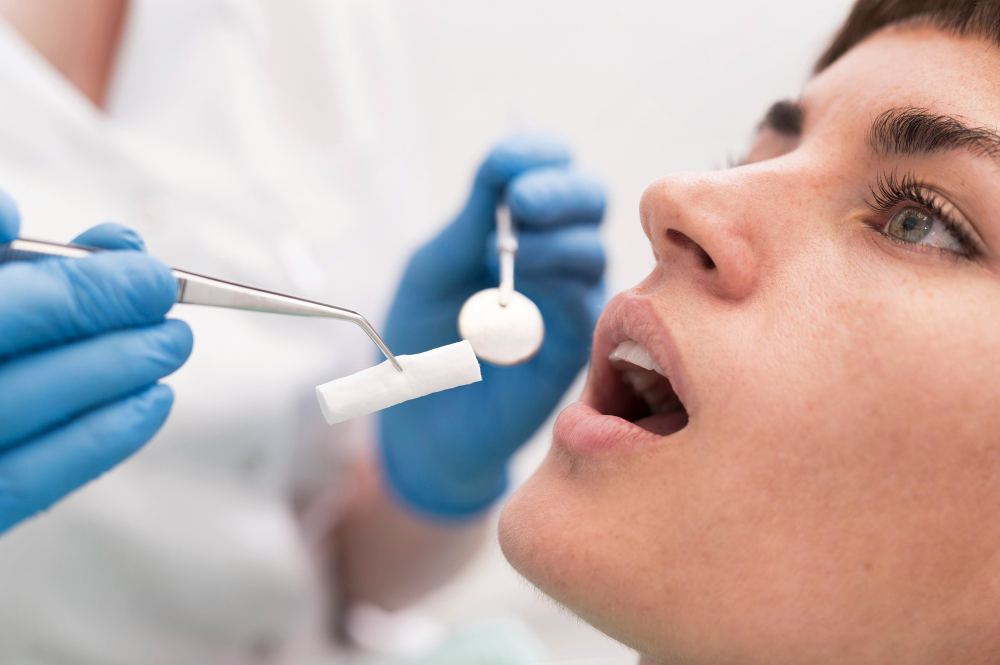
WHAT IS LIMITED MOUTH OPENING?
Limited mouth opening is a condition in which a person cannot open their mouth as widely as normal. The medical term commonly used for this condition is trismus.
Normally, the jaw moves freely to allow comfortable chewing, speaking, and swallowing. When the muscles, jaw joints, or surrounding tissues become painful, tight, or damaged, this movement may become restricted.
The condition can affect one or both sides of the jaw. Some people experience mild stiffness, while others may find it difficult to open their mouths even enough to eat comfortably or maintain proper oral hygiene.
COMMON CAUSES OF LIMITED MOUTH OPENING
Several conditions can affect the muscles, joints, and tissues responsible for jaw movement. Identifying the underlying cause is important because treatment varies depending on the condition.
1. Temporomandibular Joint (TMJ) Disorders
The temporomandibular joints connect the lower jaw to the skull and allow the mouth to open and close. Problems involving these joints can cause pain, stiffness, clicking sounds, and restricted movement.
TMJ disorders may develop due to joint inflammation, injury, excessive teeth grinding, or changes in the structures supporting the joint.
2. Dental Infections
Infections involving the teeth or surrounding gums can sometimes spread into nearby tissues and cause swelling and difficulty opening the mouth.
An infection around a partially erupted wisdom tooth, known as pericoronitis, is a common example. More serious dental infections may develop into an abscess, which can cause significant pain, swelling, and restricted jaw movement.
3. Facial Injuries and Trauma
Accidents, falls, sports injuries, or direct blows to the face can damage the jawbone, muscles, and surrounding tissues.
A fracture or injury involving the jaw joint may make opening the mouth painful or difficult. Depending on the severity, medical treatment or surgery may be required.
4. Muscle Tightness and Spasms
The muscles responsible for moving the jaw may become tight or go into spasms due to inflammation, injury, prolonged dental procedures, or excessive jaw clenching.
This can make normal mouth movements uncomfortable and reduce the distance the jaw can open.
5. Oral Submucous Fibrosis
Oral submucous fibrosis is a long-term condition that causes the tissues inside the mouth to become stiff and less flexible.
It is strongly associated with chewing areca nut, commonly found in products such as gutka and betel quid. As the condition progresses, the mouth may become increasingly difficult to open, and burning sensations while eating spicy foods may occur.
Early evaluation is important because the condition can increase the risk of oral cancer.
6. Infections and Inflammatory Conditions
Certain infections affecting the throat, facial spaces, or surrounding tissues can cause swelling and pain that restrict jaw movement.
Some inflammatory conditions may also affect the jaw joint and muscles, leading to stiffness and difficulty opening the mouth.
SYMPTOMS ASSOCIATED WITH RESTRICTED JAW MOVEMENT
The symptoms depend on the underlying cause and the severity of the condition. Limited mouth opening may occur on its own or alongside other oral and facial problems.
Common symptoms include:
- Difficulty opening the mouth fully.
- Pain around the jaw, cheeks, or ears.
- Stiffness while chewing or yawning.
- Clicking or popping sounds from the jaw joint.
- Difficulty eating solid foods.
- Swelling around the face or jaw.
- Headaches or discomfort near the temples.
- Burning sensations or tightness inside the mouth.
If restricted jaw movement occurs with fever, increasing facial swelling, difficulty swallowing, or breathing problems, seek urgent medical attention. These symptoms may indicate a serious infection.
HOW IS LIMITED MOUTH OPENING DIAGNOSED?
A proper diagnosis begins with a detailed examination of the mouth, jaw, and surrounding structures.
The doctor asks about the duration of symptoms, the presence of pain, previous dental treatments, injuries, and habits such as teeth grinding or areca nut chewing.
The maximum distance between the upper and lower front teeth when opening the mouth is measured. This helps assess the degree of restriction and monitor improvement during treatment.
The dentist or specialist also examines the jaw joints, facial muscles, teeth, gums, and oral tissues to identify possible causes.
Depending on the findings, additional investigations may be recommended. Dental X-rays help assess teeth and jawbones, while CT scans may be useful for identifying fractures or deeper infections. MRI scans can provide detailed information about the soft tissues and structures within the jaw joint.
In patients with suspected oral submucous fibrosis, a detailed examination of the mouth is particularly important. A biopsy may be recommended if an abnormal area requires further investigation.
TREATMENT OPTIONS FOR LIMITED MOUTH OPENING
Treatment depends on the cause, severity, and duration of the condition. The main aim is to reduce discomfort, improve jaw movement, and address the underlying problem.
A. Medication
Doctors may prescribe pain-relieving or anti-inflammatory medicines to reduce discomfort and swelling. Muscle relaxants may be considered in selected cases involving muscle spasms.
If a bacterial infection is responsible, appropriate antibiotics may be required. Dental abscesses may also need drainage or treatment of the affected tooth.
B. Jaw Exercises and Physiotherapy
Gentle jaw exercises can help improve flexibility and restore normal movement when recommended by a specialist.
Physiotherapy may include controlled mouth-opening exercises, muscle relaxation techniques, and other treatments designed to reduce stiffness.
Patients should avoid forcing the mouth open, as excessive stretching can worsen pain or injury.
C. Treatment for TMJ Disorders
When limited mouth opening is caused by a jaw joint problem, treatment may involve lifestyle changes, jaw exercises, medication, and management of teeth grinding.
A night guard may be recommended for patients who clench or grind their teeth during sleep. More advanced procedures are considered only when simpler treatments are not sufficient.
D. Surgical Treatment
Surgery may be necessary when restricted movement is caused by severe structural problems, certain jaw joint conditions, fractures, or advanced tissue changes.
Depending on the diagnosis, procedures may involve correcting the jaw joint, releasing tight tissues, or removing scar tissue that restricts movement.
Patients seeking a TMJ Specialist in Hyderabad should undergo a detailed assessment to identify the actual cause before considering any surgical procedure.
E. Management of Oral Submucous Fibrosis
Treatment focuses on stopping areca nut and tobacco-related habits, managing symptoms, and improving mouth opening.
Depending on the severity, treatment may include medication, supervised stretching exercises, and specialised surgical procedures to release tight tissues. Regular monitoring is important because this condition carries an increased risk of oral cancer.
CAN LIMITED MOUTH OPENING BE PREVENTED?
Not all causes can be prevented, but certain habits can help reduce the risk of developing jaw stiffness and related problems.
Avoid chewing areca nut, gutka, and tobacco products. Maintain good oral hygiene and seek early treatment for dental infections rather than allowing them to progress.
Avoid excessive jaw strain, including prolonged chewing of very hard foods. If you grind your teeth, consult a dentist about suitable protective measures.
Regular dental check-ups can also help identify problems involving wisdom teeth, gum infections, and jaw joints before they become more serious.
WHEN SHOULD YOU CONSULT A SPECIALIST?
You should seek dental evaluation if mouth opening becomes progressively restricted, causes persistent pain, or interferes with eating and speaking.
Early consultation is particularly important when the condition develops suddenly, follows an injury, or is associated with swelling or infection.
Oral & Maxillofacial Surgeons are trained to diagnose and manage conditions affecting the mouth, jaws, facial bones, and related structures. They can recommend appropriate investigations and develop a treatment plan based on the underlying cause.
RESTORE COMFORTABLE JAW MOVEMENT WITH EXPERT CARE AT SUMUKHA HOSPITALS
Limited mouth opening can affect your ability to eat, speak, and maintain oral hygiene. Although the condition may develop due to several different causes, timely diagnosis and appropriate treatment can help improve jaw movement and reduce discomfort.
At Sumukha Hospitals, patients can receive professional dental evaluation and guidance for jaw-related conditions and restricted mouth movement.
Book your consultation today to identify the cause of your symptoms and take the first step towards comfortable jaw movement and better oral health.
Frequently Asked Questions (FAQs)
1. What is the normal mouth-opening distance?
In many adults, the comfortable maximum opening is approximately 35–50 mm, measured between the upper and lower front teeth. Normal movement varies between individuals.
2. Can limited mouth opening be cured?
Many cases improve with appropriate treatment, particularly when the underlying cause is identified early. Recovery depends on the condition responsible for the restriction.
3. Does limited mouth opening always indicate a TMJ problem?
No. It can also result from dental infections, muscle spasms, facial injuries, or oral submucous fibrosis. A proper examination is necessary to identify the cause.
4. Are jaw-opening exercises helpful?
Yes, gentle exercises may improve flexibility in certain conditions. However, they should be performed under professional guidance, especially when pain, injury, or infection is present.
5. Can chewing gutka cause difficulty opening the mouth?
Yes. Areca nut and gutka use are strongly associated with oral submucous fibrosis, a condition that causes progressive stiffness of the tissues inside the mouth and restricts jaw movement.